



Webpage in progress
Pine beetles:
-
-
Mountain pine beetle:
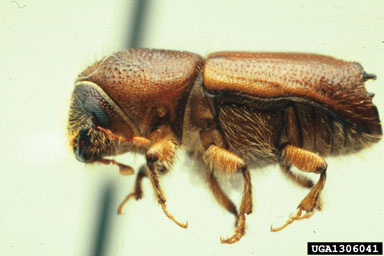
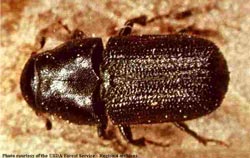 A small, native insect (~1/4 inch in length) that occurs in pine forests of the western United States and Canada. Majority of their life span is spent beneath the bark of pine trees except when adults emerge for reproduction. Outbreaks of this insect can cause high tree mortality. During the last beetle outbreak in the Black Hills (1996-2016), approximately 450,000 acres of timber were affected.
-
-
-
Turpentine beetle:
-
Pine looper:
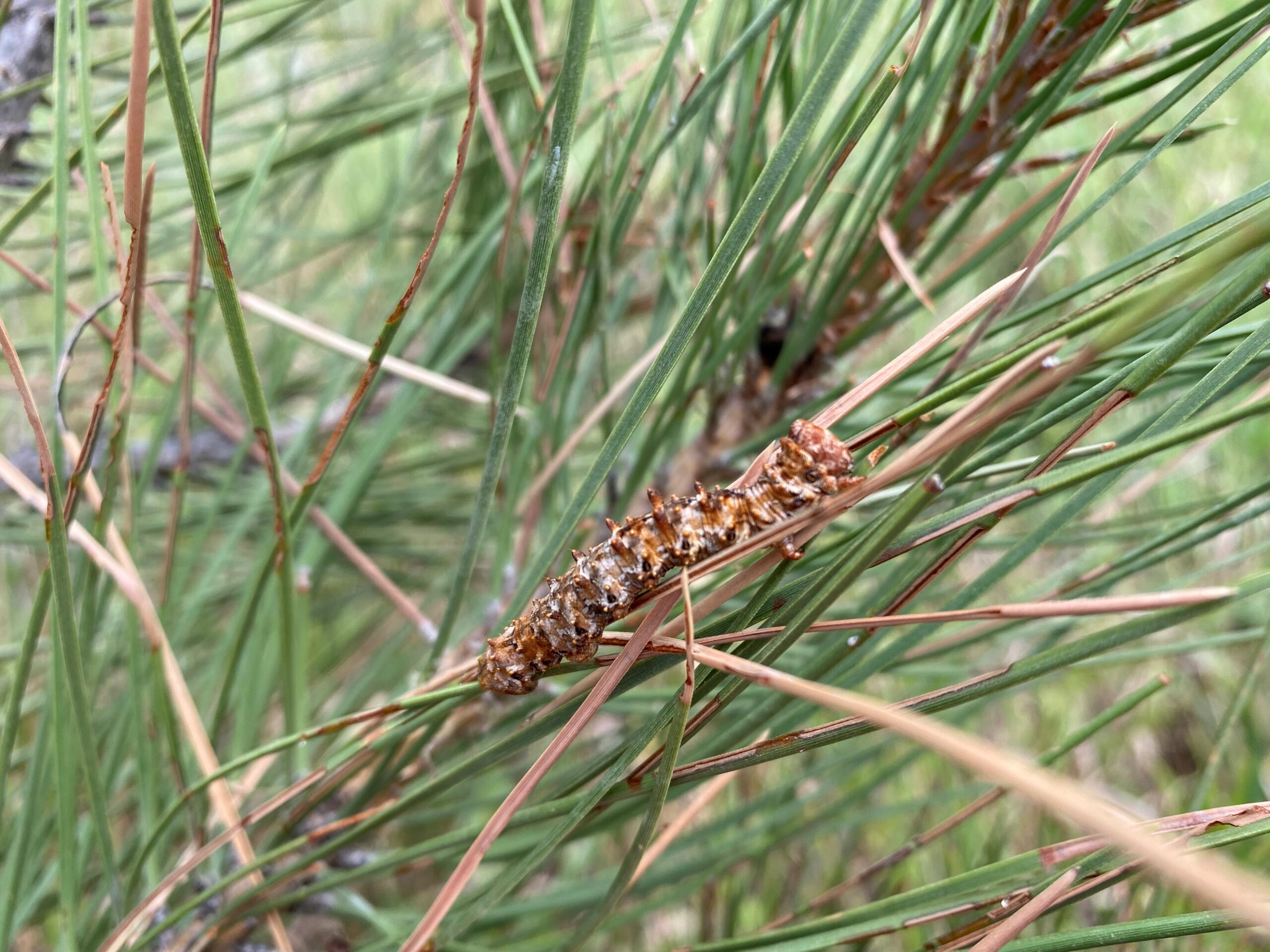
Native insect that rarely is a problem, but at times can cause significant issues. The larvae (caterpillars) feed on ponderosa pine needles, and in 2022, they defoliated a large area of pine trees to the east of Pringle. Approximately 7,000 acres were affected with many of the trees dying.
Diplodia tip blight:
A disease caused by a naturally occurring fungus on pine trees. The fungus can cause an infection in trees that are under stress or received mechanical damage (e.g., hail storms). Recent diplodia events occured near Rockerville and Sheridan Lake after they received extensive hail damage.
Pine wilt disease:
Not normally an issue for our native pine trees, but can be a serious threat to non-native pines such as Austrian and Scotch pines. The disease is caused by a nematode that attacks the tree’s xylem – the vascular tissue that transports water from the tree roots to the leaves. The nematodes cut off the water flow and the trees quickly die.
Emerald ash borer:
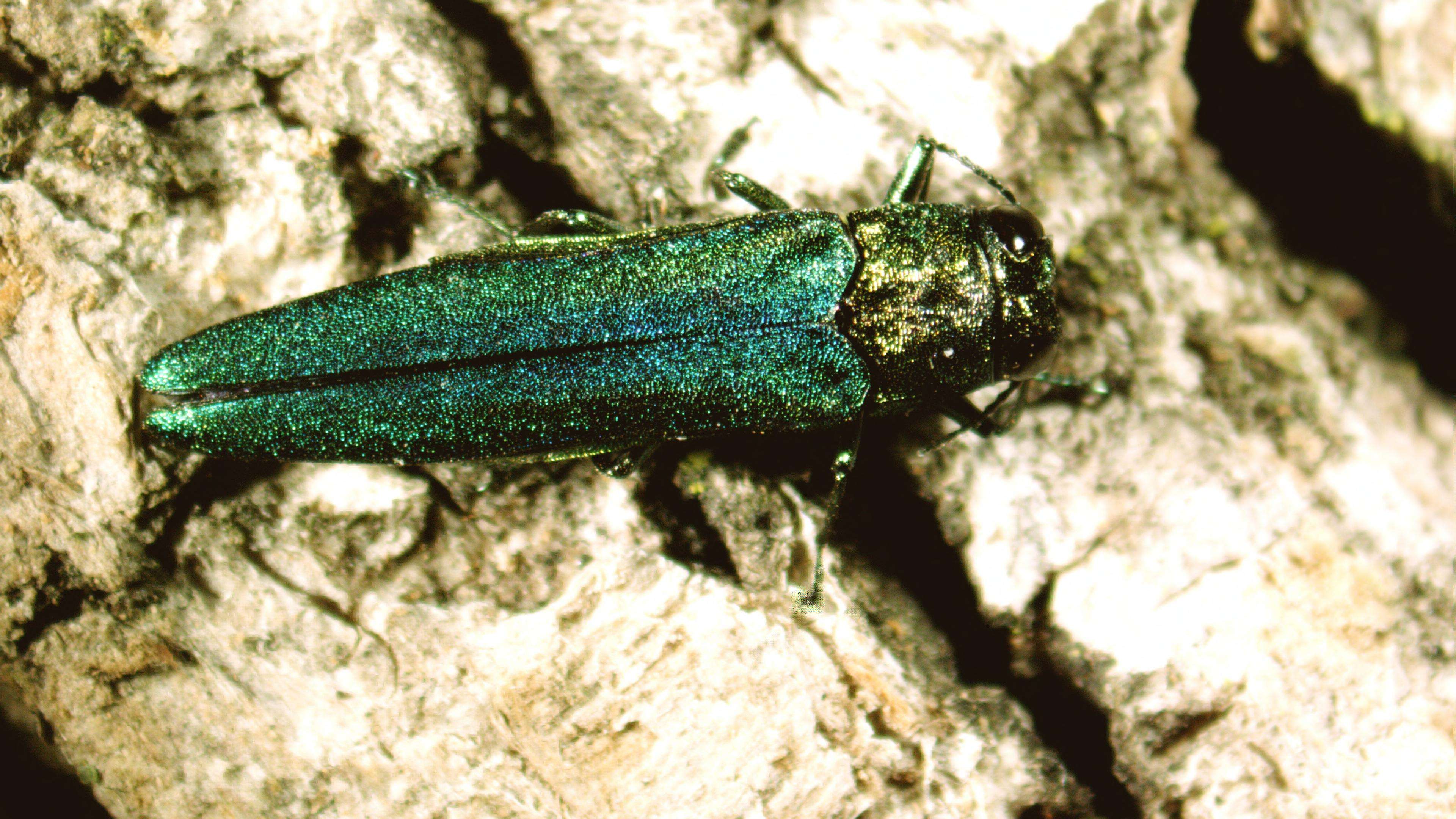
A non-native insect from Asia that attacks ash trees causing wide-spread destruction. First detected in the United States in Michigan in 2002. It is now present throughout much of the eastern United States. There are now confirmed populations in eastern South Dakota, eastern North Dakota, eastern Nebraska, and northern Colorado.
Gypsy moth (aka spongy moth):
Forest Health Workshops:
-
-
Link is to a playlist of previously recorded videos that are available for viewing online. Videos include topics on Pine Wilt Disease, Pine Engraver Beetle, Mountain Pine Beetle, Emerald Ash Borer, and more.
-